
Get Your Energy Back

Reasons You Always Tired

It is normal to feel tired on a regular basis. Fatigue is a common symptom of several conditions and serious diseases, but in most cases it is caused by simple lifestyle factors. Consuming refined carbs can lead to unstable blood sugar levels, which can make you feel tired. Instead, choose whole foods that minimally impact your blood sugar. To avoid dehydration drink enough liquid to replace the water lost in your urine, stool and sweat.

Fatigue

Fatigue is a term used to describe an overall feeling of tiredness or lack of energy. It isn’t the same as simply feeling drowsy or sleepy. Being sleepy may be a symptom of fatigue.

Blood sugar levels

Impale in blood sugar levels and subsequent fall can make you feel exhausted. Longing quick energy, you automatically reach for another serving of refined carbs, which can lead to a vicious cycle.

Stop consuming too much Carbs

Carbs can be a quick source of energy. When you eat them, your body breaks them down into sugar, which can be used for fuel. However, eating too many refined carbs can cause you to feel tired throughout the day. When sugar and processed carbs are consumed, they cause a rapid rise in your blood sugar. This signals your pancreas to produce a large amount of insulin to get the sugar out of your blood and into your cells.

Make show you get enough sleep

Insufficient or poor-quality sleep is a common cause of fatigue. Your body do so many things while you asleep, including memory restoration and the release of hormones that control metabolism and energy levels. Getting some hours of uninterrupted sleep allows your body and brain to recharge and also allow you to feel energised during the day. Restful and uninterrupted sleep allows your brain to go through all five stages of sleep cycle. After a night of high-quality sleep you normally wake up feeling refreshed awake and energized. However, Sleeping during the day can upset your body’s natural rhythm and lead to fatigue. Always sleep at night to reclaim your body energy levels.

Food sensitivities (Food intolerance’s)

Food sensitivities can cause fatigue or low energy levels. These are naturally caused symptoms like rashes, digestive problems, runny nose or headaches. Normal food intolerance’s include gluten, dairy, eggs, soy and corn. If you suspect that certain foods may be making you tired, consider working with an allergist or dietitian. They can test you for food sensitivities or prescribe an elimination diet to determine which foods have sensitivities.

Eat Enough Calories

Calories are a component of energy found in food. Your body uses them to move and fuel processes like breathing and maintaining a constant body temperature. Your body requires a minimum number of calories in order to perform daily functions. However, consuming few calories can cause feelings of exhaustion and also causes your metabolism to slow down in order to conserve energy, potentially causing fatigue. Your body can function within a range of calories depending on your weight, height, age and other factors.

Eat Enough Protein

Eating protein has been shown to boost your metabolic rate more than carbs or fat do. Include a good protein source at every meal. However, insufficient protein intake can contribute to fatigue. High-protein diets produce less fatigue among weight lifters and people who perform resistance training. To keep your metabolism strong and prevent from fatigue, consume a high-quality protein source at every meal.

Avoid High Stress Levels

Your response to stress can influence how tired you feel. Chronic stress may have a deep effect on your energy levels and quality of life. Too much stress can cause fatigue. You may not be able to avoid stressful situations, but developing strategies for managing your stress may help prevent you from feeling completely exhausted. Exercises and activities such as yoga and meditation can help relieve stress.

If you find yourself struggling with any relationship issues get in touch with us. Send the word “help” to the following WhatsApp number +27 81 352 0182 and we will call you within 48 hours.

Alternately Contact us now to find out more about Mens Clinic International – Relationship issues.

To read more about energy, click here.
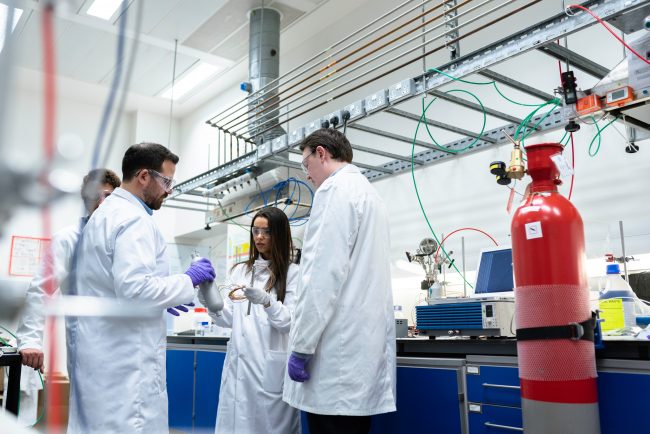
Chemical Imbalance in the Brain

What is a chemical imbalance in the brain?

A chemical imbalance in the brain is said to occur when the brain has either excessive or insufficient chemicals, called neurotransmitters. However, mental health conditions aren’t exactly caused by chemical imbalances in the brain. There’s a lot more to them.

Neurotransmitters

Neurotransmitters are natural chemicals that help ease the communication between your nerve cells. Examples include norepinephrine and serotonin. It’s often said that mental health conditions, such as depression and anxiety, are caused by a chemical imbalance in the brain.

What are the symptoms of a chemical imbalance in the brain?

  • Feelings of sadness, helplessness, worthlessness, or emptiness.
  • Overeating or a loss of appetite.
  • Insomnia or sleeping too much.
  • Restlessness.
  • Irritability.
  • A feeling of impending doom or danger.
  • A lack of energy.
  • Distancing yourself from others.
  • A feeling of numbness or a lack of empathy.
  • Extreme changes in mood.
  • Thoughts of hurting yourself or others.
  • Difficulty carrying out day-to-day activities.
  • A feeling of hearing voices in your head.
  • Alcohol or drug misuse.
  • Difficulty concentrating.

What maybe the possible causes of chemical imbalance in the brain?

  • The exact cause of mental health conditions is still unclear. Researchers believe that genetics as well as environmental and social factors, such as stress or trauma play a role.
  • The chemical imbalance theory is disproven, yet it’s often presented as an explanation for mental health conditions.
  • It states that these conditions are caused by an imbalance of neurotransmitters between nerve cells in the brain.
  • The millions of reactions occurring make it impossible to determine if someone is experiencing a chemical imbalance in their brain.
  • The most common evidence used to support the chemical imbalance theory is the effectiveness of antidepressant medications.
  • Antidepressant medications work by increasing the levels of serotonin and other neurotransmitters in the brain.
  • However, if a person’s mood can be elevated with help from medications, this doesn’t mean that the symptoms necessarily come from a chemical deficiency.
  • It’s also possible that low serotonin levels are just another symptom of depression, not the cause.

Diagnosing mental health conditions

Mental health conditions aren’t determined by using chemical tests. Your healthcare provider may order blood tests to rule out other conditions, such as a thyroid disorder or vitamin deficiency. Both conditions can trigger symptoms of a mental health condition. However, your healthcare provider will possible refer you to a mental health professional, such as a psychiatrist or psychologist. They’ll perform a psychological evaluation.

The evaluation psychiatrist or psychologist will include a series of questions about your:

  • Firstly, thoughts.
  • Secondly, feelings.
  • Thirdly, eating and sleeping habits.
  • Lastly, daily activities.

How is a chemical imbalance in the brain treated?

Blocking re-absorption increases the level of neurotransmitters that are available for your nerves to use. This will activate your nerve receptors for a longer time.

Medications that adjust neurotransmitter levels:

  • Firstly, dopamine.
  • Secondly, serotonin.
  • Thirdly, norepinephrine, also called noradrenaline.

Some medication work on combination’s of two or more of the chemicals above.

Medications include:

  • Selective serotonin reuptake inhibitors (SSRIs). SSRIs work by blocking the reabsorption of serotonin. Examples are fluoxetine (Prozac), paroxetine (Paxil), and citalopram (Celexa).
  • Serotonin-norepinephrine reuptake inhibitors (SNRIs). They include duloxetine (Cymbalta) and venlafaxine (Effexor XR). SNRIs work by blocking the reabsorption of both serotonin and norepinephrine, leading to increased levels of these two chemicals in the brain.
  • Tricyclic antidepressants (TCAs). Examples are imipramine (Tofranil) and nortriptyline (Pamelor). TCAs block the reabsorption of noradrenaline and serotonin.
  • Norepinephrine-dopamine reuptake inhibitors (NDRIs). NDRIs, such as bupropion (Wellbutrin), block reabsorption of the neurotransmitters norepinephrine and dopamine.
  • Monoamine oxidase inhibitors (MAOIs). MAOIs block the reabsorption of norepinephrine, serotonin, and dopamine. These medications, including isocarboxazid (Marplan) and phenelzine (Nardil), are not as popular as other types of antidepressants.

Mental health conditions facts

  • When it comes to mental health conditions, there are likely many factors at play. It’s difficult to determine whether a particular treatment will ensure a cure.
  • For some people, depression and other mental health conditions are episodic, which means that the symptoms come and go.
  • Medication might be able to help manage your symptoms, but the disorder may take a long time to go into remission. Symptoms can also come back later on.
  • While taking medication for a mental health condition, therapy techniques are also an important addition to your treatment plan.
  • Psychotherapy may help convert your thinking and behavioral patterns into healthier ones. For example, cognitive behavioral therapy and psychodynamic therapy.
  • During these therapy sessions, you will work with a mental health professional to use techniques that may help you manage your depression or prevent it from returning once you’re feeling better.

In conclusion, if you find yourself struggling with any relationship issues get in touch with us. Send the word “help” to the following WhatsApp number +27 81 352 0182 and we will call you within 48 hours.

Alternately Contact us now to find out more about Mens Clinic International – Relationship issues.

To read more about chemical imbalance in the brain, click here.

Myth’s about Relationship Closure

Closure

There are many myth’s about relationship closure. After a tragic loss or traumatic breakup, we’d all like to believe there’s a way to turn off the pain switch and get back to normal life. So when well-meaning friends and family say “you just need to find some closure,” we think that’s the answer. Once we achieve this mythical state of closure, we hope, the pain will disappear and the bad memories will be wiped clean.

Is closure necessary after a breakup?

Most psychologists say that closure doesn’t really exist. However, researchers have shared that by searching for permanent closure to emotional pain, we are closing ourselves off to healthier ways of processing difficult experiences. Having closure after a break up is normal, especially from a relationship. Relationship closure is the idea a person can’t fully move on until the relationship is “closed” in some way, such as by confronting an ex or otherwise.

What is closure in a relationship?

Closure from a relationship is the belief that there is a way to end the pain with some action and wipe memories clean to start a new chapter. A tangible example of closure from a relationship could be signing divorce papers or moving out of the apartment you shared with a romantic partner.

Why is it called closure?

The concept of closure comes from Gestalt psychology. Gestalt began as a way of understanding how the mind perceives and processes images, and one of the principles of Gestalt perception is that the mind seeks closure. For example, even if an image of a circle is incomplete, the mind still perceives it as a circle.

Myth’s about Relationship Closure: How to survive the break up guilt?

Forgiveness

Forgiving someone who has wronged you is challenging, it actually facilitates your own healing process. Keep in mind that the act of forgiving is for your own enrichment. It doesn’t absolve your ex from all breakup accountability.

Apologize

 Survive the breakup guilt by apologizing to both your ex and yourself. When you’re living each day with the shame of doing someone dirty, closure isn’t possible. Instead, take a deep breath, put pride aside, and apologize. Even when the apology may not be accepted, the relationship is irreparable, and the eventual chance of friendship may be impossible. Your apology could even be the very thing your ex truly needs to make a fresh start.

Set a Goal

Sometimes the best way to get over the past is by simply looking and moving forward. In the case of a breakup, once you’ve accepted your feelings and grieved properly it won’t make those feelings go away altogether. Consider distracting yourself by focusing on something else maybe a new hobby, a forgotten goal, or a healthy lifestyle change. Try to pick something that will occupy both your body and mind, if possible. Determine a goal that is challenging yet reachable.

If you find yourself struggling with any relationship issues get in touch with us. Send the word “help” to the following WhatsApp number +27 81 352 0182 and we will call you within 48 hours.

Alternately Contact us now to find out more about Mens Clinic International – Relationship issues.

To read more about relationship closure, click here.

Egos of Men and Women………

Egos

There’s a huge difference between the egos of men and women. Ego and self-esteem can at first it can present itself as one in the same and you are attracted to his/her confidence and assertiveness. As you dig deeper into your relationship, you will realise that the ego will only serve itself and therefore, ruin your relationship.

The difference between Ego and Self-esteem

Person with huge egos are often insecure and try to cover up those insecurities with overcompensation. In fact, a person with a huge ego lacks confidence and self-love. However, a person with high self-esteem has confidence in their own abilities, knows their shortcomings and loves themselves. A person who is secure enough with who he/she is and is able to understand other people’s feelings as well.

Ego signs to watch out for:

1. He/she talks about themselves a lot

The egos of men and women are more interested in one person’s own life and struggles that they are involved in. Often when you share something, a person with a huge ego can turn it around and make it about them. Take notice of who’s doing most of the talking and sharing in your relationship. Does the person hijack every topic and answer questions on your behalf in social situations?

2. A person with a huge ego

The ego wants to protect itself before all else, even if it means protecting itself from being bruised by you. A person with a huge ego often runs away at any sign of conflict and will build evidence to justify their actions even if it means hurting you in the process.

3. They won’t take your advice

Even if you are right about something and they are wrong. However, even if they do take your advice and something amazing happens. In addition, they won’t be able to take all the credit and their ego can’t take that.

4. They compare your relationship to others

The ego is served by outside circumstances instead of internal love. Their ego is running the show. It will compare itself to others to measure it’s self worth. The worst is when they compare and lose self-esteem when they believe you outperformed them.

5. They are not present

The ego decides what is worth to their time and what’s not. A person with a huge ego is unable to stay in the moment. Consequently, they are impatient and doesn’t connect with others.

6. They are here for the boost

A person with a huge ego in a relationship serves them self alone. They rely on your love to boost their self-value.  A person with a huge ego knows that they are not for you, yet they will keep you around because you give him that ego boost.

7. They criticize you often

Their ego increase’s when others fail. They are quick to point out your faults or tell you when you are wrong. They never give you constructive criticism on how to do better.

8. They are jealous

Their ego is the only important person in your life. They keep bringing up the past and ask you where you are if you are out past a certain time. A person with a huge ego doesn’t like how much time you spend with your friends or  family.

In conclusion, if you find yourself struggling with any relationship issues get in touch with us. Send the word “help” to the following WhatsApp number +27 81 352 0182 and we will call you within 48 hours.

Alternately Contact us now to find out more about Mens Clinic International – Relationship issues.

To read more about ego, click here.

Healthy Foods that can Save your Heart

Heart Disease

Heart disease is responsible for nearly one-third of all deaths worldwide. Diet plays a major role in heart health and can impact your risk of heart disease. In fact, certain foods can influence blood pressure, triglycerides, cholesterol levels and inflammation, all of which are risk factors for heart disease.

Foods that you should eat to maximize your heart health

Leafy Green Vegetables

Leafy green vegetables like spinach, kale and collard greens are well-known for their wealth of vitamins, minerals and antioxidants. In particular, they are a great source of vitamin K, which helps protect your arteries and promote proper blood clotting. They are also high in dietary nitrates, which have been shown to reduce blood pressure. Green leafy veggies also decrease arterial stiffness and improve the function of cells lining the blood vessels.

Whole Grains

Whole grains include all three nutrient-rich parts of the grain: germ, endosperm and bran. Common types of whole grains include whole wheat, brown rice, oats, rye, barley, buckwheat and quanta.  In addition, whole grains are higher in fiber, which may help reduce “bad” LDL cholesterol and decrease the risk of heart disease. Multiple studies have found that including more whole grains in your diet can benefit your heart health.

Berries

Strawberries, blueberries, blackberries and raspberries are jam-packed with important nutrients that play a central role in heart health. Berries are also rich in antioxidants like anthocyanins, which protect against the oxidative stress and inflammation that contribute to the development of heart disease. Berries can be a satisfying snack or delicious low-calorie dessert. In addition try adding a few different types to your diet to take advantage of their unique health benefits.

Avocados

Avocados are an excellent source of heart-healthy monounsaturated fats, which have been linked to reduced levels of cholesterol and a lower risk of heart disease. They are also rich in potassium, a nutrient that’s essential to heart health. In fact, just one avocado supplies 975 milligrams of potassium, or about 28% of the amount that you need in a day.

Fatty Fish and Fish Oil

Fatty fish like salmon, mackerel, sardines and tuna are loaded with omega-3 fatty acids. These have been studied extensively for their heart-health benefits. Eating fish over the long term was linked to lower levels of total cholesterol, blood triglycerides, fasting blood sugar and systolic blood pressure. If you don’t eat much seafood, fish oil is another option for getting your daily dose of omega-3 fatty acids.

Walnuts

Walnuts are a great source of fiber and micronutrients like magnesium, copper and manganese. Adding walnuts to your diet can protect you against heart disease or can lower risk of heart disease. In addition, eating walnuts can reduce cholesterol levels by up to 16%, lower diastolic blood pressure by 2–3 mm Hg and decrease oxidative stress and inflammation. Diets supplemented with walnuts led to greater decreases in LDL and total cholesterol.

Beans

Beans contain resistant starch, which resists digestion and is fermented by the beneficial bacteria in your gut. Resistant starch can improve heart health by decreasing blood levels of triglycerides and cholesterol. So eating beans can reduce certain risk factors for heart disease also by eating pinto beans reduced levels of blood triglycerides and “bad” LDL cholesterol. A diet high in beans and legumes significantly decreased levels of LDL cholesterol

Dark Chocolate

Dark chocolate is rich in antioxidants like flavonoids, which can help boost heart health. Eating dark chocolate can lower risk of heart disease. Eating a dark chocolate at least five times per week has a 57% lower risk of coronary heart disease than non-chocolate eaters.

Tomatoes

Tomatoes are loaded with lycopene, a natural plant pigment with powerful antioxidant properties. Antioxidants help neutralize harmful free radicals, preventing oxidative damage and inflammation, both of which can contribute to heart disease. Low blood levels of lycopene are linked to an increased risk of heart attack and stroke.

Almonds

Almonds are incredibly nutrient-dense, boasting a long list of vitamins and minerals that are crucial to heart health. They’re also a good source of heart-healthy monounsaturated fats and fiber, two important nutrients that can help protect against heart disease almonds can have a powerful effect on your cholesterol levels, too. High cholesterol showed that eating 1.5 ounces (43 grams) of almonds daily for six weeks reduced belly fat and levels of “bad” LDL cholesterol, two risk factors for heart disease.

Seeds

Chia seeds, flaxseeds and hemp seeds are all great sources of heart-healthy nutrients, including fiber and omega-3 fatty acids. So adding these types of seeds to your diet can improve many heart disease risk factors, including inflammation, blood pressure, cholesterol and triglycerides. Hemp seeds are high in arginine. Which is an amino acid that has been associated with reduced blood levels of certain inflammatory markers. Furthermore, flaxseed may help keep blood pressure and cholesterol levels under control.

Garlic

Garlic is used as a natural remedy to treat a variety of ailments.  It is known for potent medicinal properties. And garlic can even help improve heart health. In addition, taking garlic extracts in doses of 600–1,500 mg daily for 24 weeks was as effective as a common prescription drug at reducing blood pressure.

Olive Oil

Olive oil has many antioxidants. These can relieve inflammation and decrease the risk of chronic disease. It’s also rich in monounsaturated fatty acids, and many studies have associated it with improvements in heart health. The adults who are mostly consuming olive oil have a 35% lower risk of developing heart disease.

Edamame

Firstly, like other soy products, edamame is rich in soy isoflavones. This is a type of flavonoid that may help lower cholesterol levels and improve heart health. Soy isoflavones reduced total cholesterol by 3.9 mg/dL and “bad” LDL cholesterol by 5 mg/dL . Another analysis showed that 50 grams of soy protein per day decreased LDL cholesterol by an average of 3%. Edamame can reduce your cholesterol levels can have a big impact on your risk of heart disease.

Green Tea

Green tea has been associated with a number of health benefits, from increased fat burning to improved insulin sensitivity. It’s also brimming with polyphenols and catechins, which can act as antioxidants to prevent cell damage, reduce inflammation and protect the health of your heart. Intake of green tea associated with significantly lower levels of LDL and total cholesterol. Taking a green tea supplement or drinking matcha. Matcha is a beverage that is similar to green tea but made with the whole tea leaf, may also benefit heart health.

In conclusion, if you find yourself struggling with any relationship issues get in touch with us. Send the word “help” to the following WhatsApp number +27 81 352 0182 and we will call you within 48 hours.

Alternately Contact us now to find out more about Mens Clinic International – Relationship issues.

To read more about healthy food for heart disease, click here.

Privacy Settings
We use cookies to enhance your experience while using our website. If you are using our Services via a browser you can restrict, block or remove cookies through your web browser settings. We also use content and scripts from third parties that may use tracking technologies. You can selectively provide your consent below to allow such third party embeds. For complete information about the cookies we use, data we collect and how we process them, please check our Privacy Policy
Youtube
Consent to display content from - Youtube
Vimeo
Consent to display content from - Vimeo
Google Maps
Consent to display content from - Google